

Is it Important to Replace Missing Teeth?
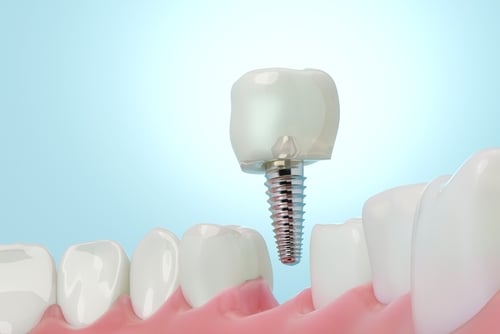 Missing teeth are not just a cosmetic concern; they can have serious implications for your overall health and quality of life. While the initial cost of replacing missing teeth may seem high, the long-term consequences of not doing so can be even more costly, both financially and in terms of your health.
The High Cost of Not Replacing Missing Teeth
Failing to replace a missing tooth can lead to a cascade of oral health problems. Adjacent teeth may shift into the gap, causing misalignment and bite issues. This misalignment can result in difficulty chewing and speaking, leading to more dental complications that might require orthodontic treatment or other costly dental procedures.
Additionally, missing teeth can cause bone loss in the jaw. The roots of teeth stimulate the jawbone, maintaining its density and strength. When a tooth is missing, the lack of stimulation causes the bone to deteriorate over time. This bone loss can cause your face to sag and appear sunken, making you look older. As your jawbone deteriorates, you may develop osteoporosis and need bone grafting to strengthen the deteriorating jawbone.
What Happens If You Don’t Replace Missing Teeth?
In addition to self-consciousness and difficulties eating and speaking, there are other problems associated with one or more missing teeth, including:
Bone Loss: The jawbone needs stimulation to maintain its density. Without a tooth root, the bone in the area begins to resorb, weakening the jaw and changing the facial structure.
Shifting Teeth: Adjacent teeth can drift into the empty space, causing misalignment and bite issues. This can lead to an improper bite, which may cause jaw pain and even temporomandibular joint disorder (TMJ Disorder or TMD).
Gum Disease: The empty tooth socket can trap food debris and bacteria, increasing the risk of gum disease and decay in surrounding teeth.
Missing teeth can significantly impact daily life. They can make it difficult to eat certain foods, affecting nutrition and overall health. They can also cause problems with speaking clearly, which can lead to communication issues and low self-esteem. The right dental solution can address these issues.
Restore your Smile and Regain Confidence
At Brian H. Snyder, DDS, we offer personalized care with a gentle touch. Contact us today to schedule your consultation and start your journey to a healthier, more beautiful smile.
How Long Can You Go with a Missing Tooth?
While some people might live with a missing tooth for years without immediate consequences, the longer you wait, the more likely you will experience problems. Bone loss can begin as soon as six months after losing a tooth. Many people lose as much as 25% of their bone density around a missing tooth within the first year. The sooner you get tooth implants to replace the roots and crowns of missing teeth, the better your chances of avoiding complex and costly dental problems later in life.
Considering Dental Implants
Dental implants offer a long-term solution for missing teeth, restoring function and preserving facial appearance. With their durability and potential to last a lifetime with proper care, they can significantly enhance oral health and overall quality of life, making them a worthwhile investment.
If you are missing one or more teeth, a consultation with Dr. Snyder will help you choose the best option for replacing them so that you can avoid more expensive and painful complications as you age. Please contact us at Brian H. Snyder, D.D.S. Phone Number 954-753-4101 to schedule an appointment.
Comments are closed.
